Have you ever flipped over a plastic takeout container or water bottle and noticed a small triangular symbol with a number inside? These seemingly innocuous digits hold crucial information about the chemical composition and safety of the plastic products we use daily, particularly those that come into contact with our food and beverages. Understanding this coding system, officially known as the Resin Identification Code (RIC), is not just a matter of trivia; it is fundamental to making informed choices about our health and the environment. The system was developed by the Society of the Plastics Industry (now the Plastics Industry Association) in 1988 to facilitate the sorting and recycling of post-consumer plastics. However, its utility has expanded far beyond the recycling bin, serving as a quick reference guide for consumers about the potential risks associated with different plastic polymers.
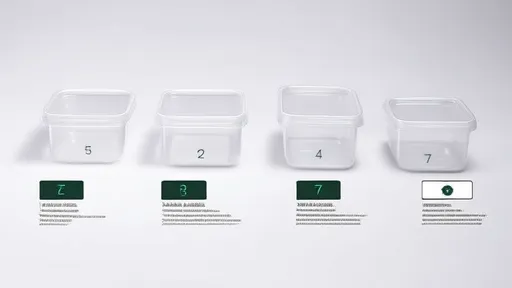
The code itself is represented by a chasing arrows symbol, often mistaken for the universal recycling logo, surrounding a number ranging from 1 to 7. Each number corresponds to a specific type of plastic resin. It is a common misconception that a higher number within this triangle means the item is more easily recyclable. In reality, the number indicates the type of plastic, not its recyclability, which varies drastically by local municipal facilities. The true value of this code lies in its ability to tell a story about the chemical building blocks of the container and, consequently, its suitability for certain uses, especially repeated use and exposure to heat.
Decoding the Numbers: A Deep Dive into Each Category
Number 1 plastic, known as polyethylene terephthalate or PET or PETE, is one of the most commonly encountered plastics. It is the material of choice for most single-use beverage bottles, cooking oil containers, and peanut butter jars. PET is prized for its clarity, strength, and ability to act as a good barrier against moisture and gas. However, these properties come with a significant caveat. PET is intended for single use. With time and exposure to heat, either from a dishwasher or left in a hot car, PET can begin to break down and leach antimony, a heavy metal catalyst used in its production, and acetaldehyde into its contents. While designed to be safe for a one-time use, the risk of chemical migration increases with repeated use or improper storage, making it a poor choice for reusable water bottles or food storage.
Moving to number 2, we find high-density polyethylene or HDPE. This opaque plastic is used for milk jugs, detergent bottles, shampoo containers, and some toys. HDPE is a more stable plastic compared to PET. It is known for its high strength-to-density ratio and resistance to many solvents, making it a safer bet for both single and limited reuse applications. It is less likely to leach chemicals, which is why it is often recommended for food storage containers. Most recycling programs readily accept HDPE, contributing to its reputation as one of the safer and more environmentally friendly plastic options, though the term "safe plastic" remains a contentious topic among scientists.
Polyvinyl chloride, or PVC, is designated by the number 3. This plastic is flexible and durable, finding its way into plumbing pipes, shower curtains, blister packaging, and some cling wraps. The primary health concern with PVC stems from the additives used to make it soft and flexible, namely phthalates, as well as lead and cadmium used as stabilizers. These additives are not chemically bound to the plastic and can leach out, especially when in contact with fatty foods or when heated. The production and incineration of PVC also release dioxins, which are highly toxic environmental pollutants. Due to these significant health and environmental risks, many experts advise consumers to avoid using PVC for food-related purposes whenever possible.
Number 4 is low-density polyethylene or LDPE. This plastic is used to make grocery bags, bread bags, squeezable bottles, and the liners in some beverage cups. LDPE is a relatively safe plastic with a lower tendency to leach chemicals. It is flexible, tough, and transparent. However, its very flexibility makes it a challenge for many recycling programs to process economically, though this is gradually changing with improved recycling technologies. While considered safer for food contact, it is still a single-use plastic with a significant environmental footprint, and reusing it for food storage is not generally recommended due to its difficulty in cleaning properly.
The number 5 code belongs to polypropylene or PP. This is a workhorse plastic known for its high melting point, making it ideal for containers designed to hold hot liquids or be microwaved. Yogurt containers, syrup bottles, bottle caps, medicine bottles, and reusable food storage containers are often made from PP. Its stability against heat, fats, and chemicals makes it one of the preferred plastics for food storage from a safety perspective. It is increasingly being accepted by recycling programs. For consumers looking for a plastic option for reheating leftovers or storing food long-term, polypropylene is often cited as the best among the available choices.
Polystyrene, or PS, is marked with the number 6. It is most famous in its foamed form, known by the brand name Styrofoam, used for disposable coffee cups, takeout clamshells, packing peanuts, and insulation. In its rigid form, it is used for CD cases and cutlery. The major health concern with polystyrene is that it can leach styrene, a possible human carcinogen, especially when heated or in contact with oily or acidic foods. Its lightweight and bulky nature makes it notoriously difficult and uneconomical to recycle, leading to significant environmental pollution. Many cities and municipalities have moved to ban polystyrene food packaging due to these combined health and environmental hazards.
The final category, number 7, is a catch-all for "other" plastics. This is a miscellaneous group that does not fit into the first six categories. It can include a wide range of materials, from relatively safe new bioplastics made from corn or sugarcane to highly controversial plastics like polycarbonate. Polycarbonate, often used to make reusable water bottles, baby bottles, and the lining of some food cans, contains Bisphenol A (BPA). BPA is an endocrine disruptor that can mimic the body's hormones and has been linked to a variety of health problems. While many manufacturers now produce "BPA-free" polycarbonate or other number 7 plastics, they often substitute BPA with other chemical compounds like BPS or BPF, which early research suggests may have similar endocrine-disrupting effects. This category requires the most caution and research from consumers.
Critical Usage Guidelines and Health Implications
Knowledge of these codes is useless without applying it to daily practice. The single most important rule is to never heat plastic that is not explicitly designed for it. Microwaving food in a container not made of polypropylene (number 5) or another heat-safe material dramatically accelerates the leaching of chemicals into your food. This includes putting hot food directly into a container or leaving a plastic water bottle in a hot car. Heat provides the energy for chemical bonds to break and for additives to migrate into the food or drink.
Similarly, avoid using harsh detergents or abrasive scrubbers on plastic food containers. Scratches and scuffs create more surface area and can damage the protective surface layer of the plastic, making it easier for chemicals to leach out and for bacteria to grow in the tiny grooves. For cleaning, use mild soap and soft sponges. Discard any container that is heavily scratched, cloudy, or has retained odors, as these are signs of degradation.
Be exceedingly wary of reusing single-use plastics. A PET water bottle (number 1) is engineered for a single, brief use. The wear and tear of washing and refilling it, combined with potential heat exposure, makes it prone to degradation and chemical leaching. The same logic applies to takeout containers (often number 6 or 1). Invest in containers made from safer materials like glass, stainless steel, or confirmed food-grade polypropylene (number 5) for long-term storage and reheating.
Finally, pay close attention to plastics used for fatty or acidic foods. Many chemicals that leach from plastic are lipophilic, meaning they are attracted to and dissolve in fats. Oily, greasy, or dairy-based foods are therefore at a higher risk of chemical contamination. Acidic foods, like tomato sauce or citrus fruits, can also accelerate the breakdown of some plastics and facilitate leaching.
In conclusion, the small number on the bottom of your plastic container is a powerful tool for consumer awareness. It tells a hidden story of chemical composition, potential health risks, and environmental impact. By moving beyond the recycling myth and understanding that these codes are primarily about safety, we can make more conscious decisions. Opting for stable, heat-resistant plastics like HDPE (2) and PP (5) for food use, avoiding heat and harsh cleaners, and phasing out single-use and questionable plastics like PVC (3) and PS (6) are prudent steps toward safeguarding our health. Ultimately, the safest strategy is to reduce our reliance on plastic food containers altogether, favoring inert materials like glass and stainless steel for a healthier home and a cleaner planet.
By /Aug 20, 2025
By /Aug 20, 2025
By /Aug 20, 2025
By /Aug 20, 2025

By /Aug 20, 2025
By /Aug 20, 2025
By /Aug 20, 2025
By /Aug 20, 2025
By /Aug 20, 2025
By /Aug 20, 2025
By /Aug 20, 2025
By /Aug 20, 2025
By /Aug 20, 2025

By /Aug 20, 2025
By /Aug 20, 2025
By /Aug 20, 2025
By /Aug 20, 2025

By /Aug 20, 2025

By /Aug 20, 2025
By /Aug 20, 2025
