Walking through the vibrant, bustling aisles of an Asian market or along a tropical fruit stand, few fruits command as much reverence and simultaneous intimidation as the durian. Its formidable, spiky armor and potent aroma precede it, creating an aura of mystery around selecting the perfect specimen. For the culinary adventurer looking to transform this king of fruits into a sublime dessert—be it a creamy mousse, a rich ice cream, or a traditional sticky rice topping—the quest for a perfectly ripe durian is the single most critical step. Unlike an underripe apple, which might simply be tart and firm, an unripe durian is a profound disappointment: hard, bland, and lacking the complex, custardy sweetness that defines it. Conversely, an overripe durian can be unpleasantly fermented, bitter, and mushy, its texture better suited to the compost bin than a delicate pastry. The art of selection, therefore, is a sensory dance, a skill honed by experience and a keen attention to detail that goes far beyond a simple visual inspection.
The journey begins not with the fruit itself, but with your nose. A durian's aroma is its most famous—and to some, infamous—characteristic. For a dessert-grade fruit, the smell should be powerfully fragrant and complex, but not overwhelmingly pungent or alcoholic. You are searching for a deep, sweet, and slightly nutty scent. If you detect sharp, sulfuric notes reminiscent of rotten eggs or a strong alcoholic tang, put it down. This is a clear sign of overripeness and advanced fermentation. The sugars have begun to break down, and the flavor will be unpleasantly bitter and sharp, capable of ruining any sweet dish. A durian with little to no smell, on the other hand, is almost certainly underripe. It hasn't yet developed the complex volatile compounds that create its signature flavor and aroma. Hold the fruit a few inches from your nose and take a deep breath at the base of the stem; this is often where the scent is strongest. Trust your initial impression; your olfactory sense is your first and most reliable guide.
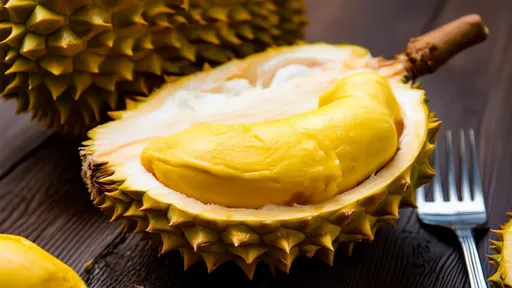
Once your nose has given its preliminary approval, it's time to engage your sense of touch. The durian's husk is a treasure trove of information. Gently run your hands (carefully, to avoid the sharp spikes!) over the surface. The spikes themselves are a key indicator. On a mature fruit, the tips of these spikes will have lost their needle-like sharpness and will feel somewhat stiff but pliable. You should be able to press the tips of two adjacent spikes together with moderate pressure. If they are rock-hard and immovable, the fruit is too young. If they feel soft, mushy, or bend too easily, the fruit is likely past its prime. Next, give the fruit a gentle shake. This is a classic technique among seasoned durian lovers. Listen closely. Do you hear a faint, muffled knocking or rattling sound from within? This sound is caused by the flesh pulling away slightly from the seeds and the interior walls of the husk, a natural process that occurs as it reaches peak ripeness. A completely silent durian suggests the flesh is still firmly attached and underdeveloped. A very loud, clear rattle, however, can indicate that the fruit is drying out or has become overripe.
Perhaps the most telling test involves examining the seam where the fruit naturally splits. A durian ripens from the stem downward, and as it does, cracks or fissures will begin to appear along the lines that divide its segments. For a dessert durian, you want to see the very beginning of this process. Look for a hairline crack, perhaps just an inch or two long, running along one of these seams. This is the fruit's way of announcing it is ready. You may even catch a glimpse of the glorious, creamy yellow flesh inside and get a more direct whiff of its aroma. Avoid any fruit with wide, gaping cracks. While this might seem like an easy way to inspect the interior, such openings are gateways for bacteria, insects, and airborne yeast, drastically increasing the chance of spoilage and off-flavors. The fruit inside a widely cracked shell is often over-exposed, dried out, or already fermenting.
Finally, consider the stem. The stem can act as a rough calendar of the fruit's freshness. A thick, robust, and moist-looking stem suggests it was harvested relatively recently. A thin, dry, brittle, or shriveled stem indicates the fruit has been off the tree for a longer period. While this doesn't directly correlate with ripeness (as durians are often harvested mature and then continue to ripen off the tree), it does affect the window you have to consume it. A fruit with a very dry stem needs to be opened and used almost immediately. For the dessert maker planning to use the fruit within a day, a small, dry stem on a otherwise perfect-smelling and sounding fruit might be acceptable. But for maximum freshness and a longer buffer, a sturdy, healthy stem is always preferable.
Mastering the selection of a dessert-ready durian is a rewarding skill that transforms a daunting task into an intuitive ritual. It requires a holistic approach, synthesizing clues from smell, sound, sight, and touch. There is no single definitive test, but rather a consensus of signs that together point to perfection. The reward for this diligence is unparalleled: a bowl of lush, buttery-sweet, and fragrant flesh that will elevate your homemade desserts from merely good to truly transcendent. It is the difference between using a bland, waxy supermarket tomato in a salad and using a sun-warmed, vine-ripened heirloom variety. The effort invested in the selection process is repaid a hundredfold in the final, exquisite flavor of your creation. So arm yourself with patience and curiosity, and embark on the hunt for that perfect fruit—your taste buds will thank you.
By /Aug 20, 2025

By /Aug 20, 2025
By /Aug 20, 2025
By /Aug 20, 2025

By /Aug 20, 2025
By /Aug 20, 2025

By /Aug 20, 2025

By /Aug 20, 2025
By /Aug 20, 2025
By /Aug 20, 2025

By /Aug 20, 2025

By /Aug 20, 2025
By /Aug 20, 2025

By /Aug 20, 2025
By /Aug 20, 2025

By /Aug 20, 2025

By /Aug 20, 2025

By /Aug 20, 2025

By /Aug 20, 2025
By /Aug 20, 2025
