In the modern kitchen, the refrigerator stands as a silent guardian of our groceries, a technological marvel we often take for granted. We toss in leftovers, stash fresh produce, and slide in cartons of milk with the unshakable belief that this cold box will preserve our food indefinitely. It’s a comforting thought, but a dangerous misconception. The reality is starkly different: your refrigerator is not a magic preservation vault. It is, in fact, a carefully controlled environment that merely slows down the relentless march of decay, a process orchestrated by enzymes, bacteria, and oxidation. Understanding this distinction is not just a matter of avoiding food waste; it is a critical component of kitchen safety and nutritional wisdom.
The core principle of refrigeration is simple biology and chemistry in action. By lowering the temperature, we dramatically reduce the activity of microorganisms like bacteria, yeast, and mold. We also slow down the enzymatic reactions within the food itself that cause ripening and, eventually, spoilage. However, we do not stop these processes entirely. They continue at a glacial pace, an invisible countdown to spoilage that begins the moment food is harvested or processed. This is why a "use-by" or "best-by" date is not an arbitrary suggestion but a scientifically estimated window of peak quality and safety. Ignoring this slow, cold decay is where many households go astray, treating the fridge like an archive rather than a short-term holding cell.
Let’s begin with the most perishable category: fresh meats and seafood. These are high-protein, high-moisture environments, essentially a paradise for pathogenic bacteria like Salmonella, E. coli, and Listeria if given the chance. Raw poultry and ground meats, with their increased surface area, are particularly vulnerable. They should be consumed or frozen within just one to two days of purchase. Whole cuts of beef, pork, veal, and lamb are slightly more resilient, lasting three to five days in the fridge. Fresh fish and shellfish, however, are on the most precarious edge of freshness. Their delicate tissues break down quickly, and they should ideally be cooked the same day they are bought, absolutely no later than two days. The smell test is notoriously unreliable here; by the time a fish smells "fishy," spoilage is already well advanced.
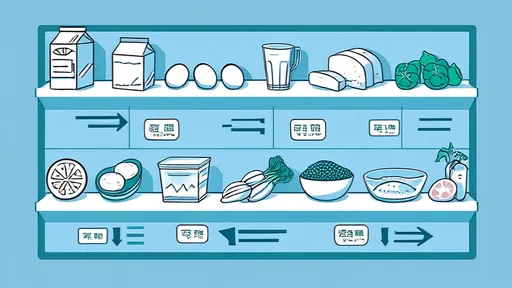
Dairy and eggs form the backbone of many refrigerators, and their longevity is often overestimated. Milk, though pasteurized, will eventually sour. Once opened, it’s best used within one week. Yogurt and sour cream can last one to two weeks past their printed date if unopened, but once the seal is broken, the clock ticks faster; aim to finish them within a week. Hard cheeses like cheddar or parmesan can last for several weeks, especially if stored properly in wax paper or airtight containers, but keep a watchful eye for mold. Soft cheeses like ricotta, cottage cheese, or brie have a much shorter leash, typically lasting about one week after opening. And what about the humble egg? Contrary to some beliefs, they belong in the fridge, not on the counter. In their protective shell, they can remain fresh for three to five weeks after the purchase date.
The produce drawer is a world of its own, where humidity and ethylene gas dictate the terms of freshness. Leafy greens and fresh herbs are incredibly fragile. Lettuce, spinach, and kale, if kept dry in a container with a paper towel, might last up to a week. Delicate herbs like cilantro and parsley often wilt within a few days. Berries are another quick spoiler, best eaten within two to three days of bringing them home. To extend their life, a quick vinegar-water wash can kill surface mold spores. More robust vegetables like carrots, celery, and bell peppers can often make it to two weeks. Apples and citrus are the long-haul champions of the fruit bowl, easily lasting three to four weeks in the cool environment of the fridge. A key rule here is to keep ethylene-producing fruits (like apples and bananas) away from ethylene-sensitive vegetables (like leafy greens and broccoli) to prevent accelerated ripening and spoilage.
Perhaps the most deceptive category is cooked leftovers and prepared foods. The moment you take a hot pot off the stove, the countdown begins. Food should be refrigerated within two hours of cooking (one hour if the room temperature is very warm) to prevent bacteria from entering the "danger zone" between 40°F and 140°F. Once safely stored, cooked meats, soups, and stews will maintain quality for three to four days. Cooked rice and pasta can harbor surprising bacteria and are best eaten within three to four days as well. Lunch meats and opened packages of hot dogs have a surprisingly short fridge life of three to five days after opening, despite their processed nature. That container of potato salad or coleslaw from a deli? Treat it like any other prepared food and consume it within three to four days to be safe.
Beyond knowing the timelines, how you store food is equally important. The mantra is: airtight is right. Transferring food from flimsy supermarket packaging into proper airtight containers or sealed bags prevents moisture loss and odor transfer. It also protects against "cross-contamination," where juices from raw meat might drip onto ready-to-eat fruits or vegetables. Organization is key. Practice the "first-in, first-out" rule, placing newer items behind older ones to ensure nothing gets forgotten in the back, only to be discovered as a science experiment weeks later. And never underestimate the power of your nose and eyes. If something looks off, slimy, or discolored, or smells sour, rancid, or just unusual, the safest choice is to err on the side of caution and discard it. No amount of scraping or cutting can make a partially moldy food safe if the roots of the mold have penetrated deep below the surface.
Ultimately, transforming your refrigerator from a black hole of forgotten food into an efficient, safe storage system requires a shift in mindset. It is a tool for managing freshness, not defeating it. By respecting the natural, albeit slowed, processes of decay and adhering to these guidelines, you can dramatically reduce waste, save money, and most importantly, protect yourself and your family from foodborne illness. The cold truth is that vigilance, not just cold air, is the real preserver of the food on your table.

By /Aug 20, 2025

By /Aug 20, 2025
By /Aug 20, 2025

By /Aug 20, 2025

By /Aug 20, 2025

By /Aug 20, 2025

By /Aug 20, 2025
By /Aug 20, 2025

By /Aug 20, 2025

By /Aug 20, 2025

By /Aug 20, 2025

By /Aug 20, 2025

By /Aug 20, 2025

By /Aug 20, 2025

By /Aug 20, 2025

By /Aug 20, 2025

By /Aug 20, 2025

By /Aug 20, 2025

By /Aug 20, 2025

By /Aug 20, 2025
