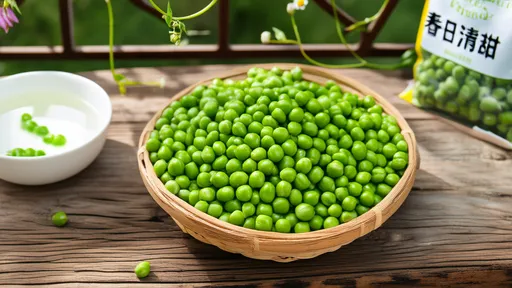
As the last cool breezes of spring begin to wane, gardens and markets alike burst forth with one of the season's most delicate treasures: fresh peas. Their brief but glorious window of availability leaves many yearning for a taste of that sweet, vegetal flavor long after the vines have been pulled. While canning and drying are time-honored methods, they often sacrifice the pea's vibrant color and fresh-picked essence. For those seeking to capture that just-shelled perfection, a simple two-step technique of blanching and freezing emerges as the undisputed champion, effectively pausing time to lock in the pea's signature—that clear, fresh sweetness—for a full year.
The magic of this process begins not in the kitchen, but at the moment of harvest. The clock is ticking from the second a pea is plucked from its pod. Sugars immediately begin converting to starches, and that hallmark sweetness starts its inevitable decline. This is why a pea eaten raw in the garden is an entirely different experience from one bought days later at a supermarket. The ultimate goal of preservation, therefore, is to halt this enzymatic degradation in its tracks as swiftly as possible. Freezing alone is not enough; it merely slows the process, often resulting in a mushy, bland, and faded product upon thawing. The crucial, non-negotiable step that precedes the freeze is blanching—a quick plunge into boiling water.
Blanching is the guardian of quality. It serves two critical functions. First, it destroys the enzymes responsible for ripening and eventual spoilage. These enzymes, if left active, will continue their work even at freezing temperatures, albeit very slowly, leading to loss of flavor, color, and texture over months in storage. A quick blanch deactivates them permanently. Second, it brightens and sets the beautiful green chlorophyll, ensuring your peas emerge from the freezer months later looking as emerald-green as the day they were picked. It also cleanses the surface of bacteria and dirt, further extending their shelf life in the deep freeze.
The procedure itself is an exercise in precision, a brief ballet of heat and ice. Begin by bringing a large pot of well-salted water to a rolling boil. Meanwhile, prepare an ice bath—a large bowl filled with equal parts ice and cold water—and place it next to your stove. The salt in the boiling water not only seasons the peas slightly but also helps to maintain their cellular structure. Gently add your shelled peas to the furious boil. The key here is not to overcrowd the pot; work in batches to maintain the water temperature. The moment the peas go in, start your timer.
The blanching time is short and sacred—typically no more than ninety seconds for petite, early-season peas, perhaps stretching to two minutes for larger, more mature ones. This is not cooking; it is merely a shock treatment. You are not aiming for a tender pea ready to eat. You are seeking to heat it through just enough to neutralize the enzymes while preserving a firm, crisp texture. The moment the timer beeps, immediately retrieve the peas with a slotted spoon or strainer and plunge them directly into the waiting ice bath. This "shocking" step is just as vital as the boil. It stops the cooking process instantly, preventing them from becoming soft and overcooked.
Leave the peas in the ice bath for at least as long as they were in the boiling water, ensuring they are completely cold to the core. This step guarantees that their texture is perfectly preserved. Drain the peas thoroughly in a colander, then pat them completely dry with clean kitchen towels or paper towels. Any residual surface moisture will turn into ice crystals during freezing, which can puncture the pea's cell walls and lead to that undesirable mushy texture upon thawing. This attention to detail is what separates a mediocre frozen pea from an exceptional one.
Now, for the final act: freezing. Spread the blanched, dried, and cooled peas in a single, even layer on a parchment-lined baking sheet. This is called "tray-freezing" or "flash-freezing." Do not simply dump them all into a bag and place them in the freezer. That will result in one giant, solid lump of peas, forcing you to thaw the entire batch every time you need just a handful. Instead, place the baking sheet flat in the freezer for one to two hours, until each individual pea is rock solid. Once they are frozen independently, you can quickly transfer them into airtight freezer bags or rigid containers.
Force out as much air as possible from the bag before sealing it. Air is the enemy of frozen food, causing freezer burn—those dry, leathery, greyish spots that ruin flavor and texture. Label the bag clearly with the contents and the date. While they will remain safe to eat almost indefinitely, their peak quality, that captured essence of spring, is best enjoyed within one year. Stored properly at a consistent 0°F (-18°C) or below, you have successfully bottled, or rather bagged, the season.
The reward for this meticulous work comes months later, on a bleak winter day when the memory of spring feels like a distant dream. There is no need to thaw the peas for cooking. Simply take a handful straight from the bag and toss them into a simmering soup, a stir-fry, or a pot of boiling water for a quick warm-through. Because they were blanched, they will cook in mere minutes. The result is nothing short of miraculous: a vegetable that tastes bright, sweet, and firm—a stark contrast to the typically bland and watery frozen vegetables found in grocery store freezers. The vibrant green color will bring a much-needed splash of life to your plate, and the flavor will be a direct, delicious telegram from a warmer, sunnier time.
This method is more than just a kitchen technique; it is a form of culinary time travel. It is a direct link to a specific moment in the cycle of the seasons, a way to practice a thrifty and sustainable form of eating by preserving abundance for times of scarcity. It honors the ingredient by treating it with care and respect at every step. So, the next time you find yourself with a surplus of spring's green jewels, do not let them languish. A brief blanch, a sharp shock, and a deep freeze are all it takes to hold onto that clear, fresh sweetness, that clear sweet essence, and enjoy a taste of spring's end whenever the craving strikes.
By /Aug 20, 2025
By /Aug 20, 2025
By /Aug 20, 2025
By /Aug 20, 2025

By /Aug 20, 2025
By /Aug 20, 2025
By /Aug 20, 2025
By /Aug 20, 2025
By /Aug 20, 2025
By /Aug 20, 2025

By /Aug 20, 2025
By /Aug 20, 2025
By /Aug 20, 2025
By /Aug 20, 2025
By /Aug 20, 2025
By /Aug 20, 2025
By /Aug 20, 2025
By /Aug 20, 2025

By /Aug 20, 2025
By /Aug 20, 2025
