Beijing Traditional Sour Plum Soup: Ingredient Combination and Cooking Sequence

Aug 20, 2025 By

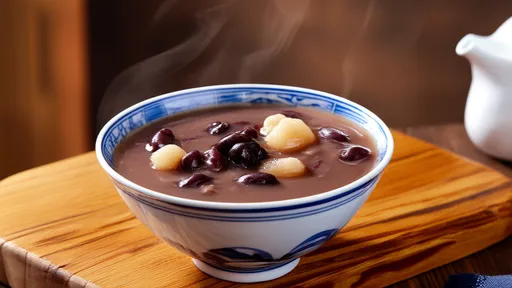
There is a particular alchemy to traditional Beijing sour plum drink that transcends mere recipe execution, a whispered secret passed through generations that balances medicinal wisdom with culinary artistry. The making of this beloved summer elixir, known locally as Suanmeitang, begins not with a pot of boiling water but with the careful selection and harmonious pairing of ingredients that have been trusted for centuries to cool the body, soothe the throat, and quench a profound thirst. This is not a simple syrup but a crafted infusion, a liquid embodiment of balance between sweet, sour, and smoky notes, achieved through a deeply intentional and almost ritualistic process.

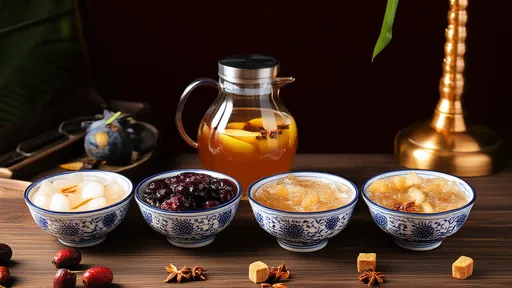
The foundational quartet of this beverage is what grants it its signature character and purported health benefits. At its heart is the smoked plum, or Wumei. These are not the plums one finds in a Western grocery store; they are Japanese apricots (Prunus mume) that have been harvested while still green, then smoked over pine wood for days until they take on a wrinkled, blackened appearance and a complex, deeply smoky, and intensely tart flavor profile. This ingredient is the soul of the drink, providing the dominant sour note and the core cooling property according to Traditional Chinese Medicine principles. It is believed to stimulate digestion and alleviate thirst.

To counter the assertive tartness of the smoked plums, a sweetener is essential. Historically, and in the most authentic preparations, rock sugar is the unequivocal choice. Its large, crystalline, amber-hued chunks dissolve slowly, imparting a clean, rounded sweetness that lacks the overly saccharine or molasses-like notes of brown sugars. The type and quality of rock sugar are not trivial; the best versions offer a pure, clarifying sweetness that mellows the sharpness of the plums without masking their essence. The amount used is a matter of personal and familial taste, a variable that each maker adjusts to find their perfect equilibrium on the spectrum between bracingly tart and comfortingly sweet.

No traditional recipe is complete without its supporting aromatics, which add layers of fragrance and complexity. Dried hawthorn berries are almost always present, contributing a subtle fruity tang and a hint of tartness that complements the plums. More importantly, in TCM, they are renowned for their ability to aid digestion and break down fats, making the drink not just a refreshment but a digestive tonic often consumed after a rich meal. The final, non-negotiable aromatic is sweet dried osmanthus flowers. These tiny, golden blossoms are not boiled with the main ingredients but are almost always added as a finishing garnish. Their function is twofold: they provide an intoxicating, perfumed aroma that lifts the entire drink, and they add a visual elegance, their delicate petals floating on the dark surface of the liquid. Some recipes may also include licorice root for an extra hint of natural sweetness and a throat-soothing quality, or dried orange peel for a citrusy depth, but the core quartet remains the constant.

The process of transforming these dried, hardened components into a shimmering, dark, fragrant nectar is where the true magic lies, and the sequence of steps is as crucial as the ingredients themselves. The first and most critical step is the soaking. The smoked plums, hawthorn berries, and any other hard herbs like licorice root must be submerged in a generous amount of cold water for a minimum of several hours, though many traditionalists advocate for an overnight soak. This is not a mere formality; it is essential. The prolonged rehydration allows the fibers of the fruits to slowly swell and open, releasing their deeply embedded flavors and ensuring they will infuse the water thoroughly during the simmer. Skipping this step, or rushing it, results in a thin, weak brew where the flavors remain locked away, a shadow of what the drink should be.

Once the ingredients have been properly softened, they are transferred, along with their soaking water, into a large pot. More water is added to achieve the desired volume. The pot is then brought to a vigorous boil over high heat. This initial burst of high energy is important to jumpstart the extraction process. As soon as a rolling boil is achieved, the heat must be immediately reduced to the lowest possible setting for a long, gentle simmer. This low-and-slow approach is the second critical phase. The pot should barely whisper, with the occasional bubble breaking the surface over the course of an hour or more. A violent boil will make the liquid cloudy, extract undesirable bitter compounds from the pits and skins, and cause too much evaporation, potentially concentrating the brew excessively. The gentle heat coaxes out the full spectrum of flavors—the smoke, the tartness, the fruity notes—melding them together into a cohesive whole.

Only after this long simmer, when the liquid has taken on a deep, reddish-brown hue and the plums have become soft and bloated, is the rock sugar introduced. Adding the sugar at the beginning of the cooking process can cause it to caramelize or make the syrup too thick and cloying. By adding it at the end, it simply dissolves into the hot liquid, sweetening it perfectly without altering its fundamental character. The pot is stirred until the sugar crystals have fully dissolved, and then it is immediately removed from the heat. The work of the heat is done.

But the process is not finished. The final, and perhaps most transformative, step is the steeping. The pot is covered and left to cool naturally to room temperature. This cooling period is an extension of the infusion. As the temperature drops slowly, the ingredients continue to release their remaining essence, and the flavors have time to marry and settle, achieving a harmony that is impossible if the drink is consumed hot or rushed over ice. Once fully cool, the entire concoction is strained through a fine-mesh sieve or cheesecloth to remove all the solid fruits and herbs, leaving behind a clear, potent concentrate.

This concentrate is the final product, designed to be diluted to taste with cold water or poured over a glass full of ice. Just before serving, a small pinch of the dried osmanthus flowers is sprinkled on top, their floral aroma exploding upon contact with the liquid, completing the sensory experience. The resulting drink is a masterpiece of balance—the initial smoky, tangy hit on the tongue, followed by the smooth, clean sweetness, and finished with the lingering floral perfume. It is a taste of old Beijing, a testament to the patience and wisdom of a culture that understands that the deepest flavors and the greatest refreshment are never rushed, but carefully, thoughtfully coaxed into being.
Recommend Posts
Food

The Key to Successfully Making Homemade Ginger Milk: Ginger Juice Activity and Milk Temperature

By /Aug 20, 2025

In the quiet corners of traditional Chinese kitchens, a delicate dessert whispers tales of culinary alchemy. Ginger milk curd, or Jiangzhuangnai, stands as a testament to the profound dialogue between ingredient and intuition. This silken creation, born from the marriage of fresh ginger juice and warmed milk, appears simple in its short ingredient list yet demands a near-scientific precision. The magic, and the challenge, lies entirely in the critical interplay of two elements: the enzymatic potency of the ginger and the exact thermal state of the milk. To master this dish is to understand a fragile biochemical ballet, where a single degree or a moment’s hesitation separates a flawless gel from a soupy disappointment.
Food

Comparison of After-Rinse Flavor Retention in Different Types of Tableware

By /Aug 20, 2025

In the quiet aftermath of a well-cleaned kitchen, a subtle but persistent ghost often lingers—not of food, but of the soap itself. The phenomenon of dish soap residue and its varying degrees of olfactory presence across different materials is a nuanced dance of chemistry, surface interaction, and our own sensory perception. It is a common, yet rarely dissected, experience that speaks volumes about the materials we choose for our tableware and the cleaners we trust to make them spotless.
Food

Refrigerator is Not a Safe: Recommended Shelf Life for Various Foods in the Fridge

By /Aug 20, 2025

In the modern kitchen, the refrigerator stands as a silent guardian of our groceries, a technological marvel we often take for granted. We toss in leftovers, stash fresh produce, and slide in cartons of milk with the unshakable belief that this cold box will preserve our food indefinitely. It’s a comforting thought, but a dangerous misconception. The reality is starkly different: your refrigerator is not a magic preservation vault. It is, in fact, a carefully controlled environment that merely slows down the relentless march of decay, a process orchestrated by enzymes, bacteria, and oxidation. Understanding this distinction is not just a matter of avoiding food waste; it is a critical component of kitchen safety and nutritional wisdom.
Food

Key Points for Making Chinese Sweet Soup: Gelatinizing Tremella and Cooking Red Beans until Sandy

By /Aug 20, 2025

In the quiet corners of Chinese kitchens, a gentle alchemy unfolds as humble ingredients transform into soul-soothing desserts. The art of crafting traditional sweet soups, particularly those featuring snow fungus and red beans, represents a culinary tradition steeped in patience and precision. These desserts are not merely sweet treats but embodiments of texture mastery, where achieving the perfect gelatinous consistency from snow fungus or the ideal sandy texture from red beans separates ordinary preparations from extraordinary ones.
Food

Add a Little of It When Mopping, and Your Floors Will Stay Dust-Free for a Week!

By /Aug 20, 2025

Household cleaning has always been a topic of interest for homeowners and renters alike. Among the various chores, mopping floors stands out as one of the most frequent and sometimes tedious tasks. The constant battle against dust, dirt, and grime can feel never-ending, especially in high-traffic areas or homes with pets and children. Traditional methods often involve water and detergent, which might clean the surface temporarily but fail to provide long-lasting results. However, a surprising and simple addition to your mopping routine could revolutionize the way you maintain your floors.
Food

How to Choose a Perfectly Ripe Durian for Desserts

By /Aug 20, 2025

Walking through the vibrant, bustling aisles of an Asian market or along a tropical fruit stand, few fruits command as much reverence and simultaneous intimidation as the durian. Its formidable, spiky armor and potent aroma precede it, creating an aura of mystery around selecting the perfect specimen. For the culinary adventurer looking to transform this king of fruits into a sublime dessert—be it a creamy mousse, a rich ice cream, or a traditional sticky rice topping—the quest for a perfectly ripe durian is the single most critical step. Unlike an underripe apple, which might simply be tart and firm, an unripe durian is a profound disappointment: hard, bland, and lacking the complex, custardy sweetness that defines it. Conversely, an overripe durian can be unpleasantly fermented, bitter, and mushy, its texture better suited to the compost bin than a delicate pastry. The art of selection, therefore, is a sensory dance, a skill honed by experience and a keen attention to detail that goes far beyond a simple visual inspection.
Food

The Meaning of Numbers on Plastic Lunch Box Bottoms and Usage Taboos

By /Aug 20, 2025

Have you ever flipped over a plastic takeout container or water bottle and noticed a small triangular symbol with a number inside? These seemingly innocuous digits hold crucial information about the chemical composition and safety of the plastic products we use daily, particularly those that come into contact with our food and beverages. Understanding this coding system, officially known as the Resin Identification Code (RIC), is not just a matter of trivia; it is fundamental to making informed choices about our health and the environment. The system was developed by the Society of the Plastics Industry (now the Plastics Industry Association) in 1988 to facilitate the sorting and recycling of post-consumer plastics. However, its utility has expanded far beyond the recycling bin, serving as a quick reference guide for consumers about the potential risks associated with different plastic polymers.
Food

Common Sense for Kitchen Fire Extinguishing: What to Do If the Frying Pan Catches Fire

By /Aug 20, 2025

In the heart of every home, the kitchen stands as a hub of warmth, nourishment, and daily life. It is where meals are crafted with care and families gather. Yet, within this familiar space, a moment of inattention can swiftly transform a routine cooking session into a dangerous situation. Among the most common and perilous kitchen emergencies is a grease fire. The sight of flames leaping from a pan can induce panic, but a calm and knowledgeable response is the most powerful tool to prevent a minor incident from escalating into a catastrophe. Understanding the science behind the fire and the correct, immediate actions to take is not just helpful knowledge; it is essential for every individual who steps into a kitchen.
Food

Comparison of Cleaning Methods for Common Mushrooms (Shiitake, Oyster, etc.)

By /Aug 20, 2025

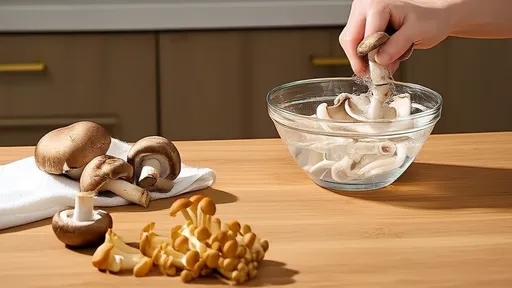
Mushrooms are a staple in kitchens around the world, prized for their unique textures and earthy flavors. However, their preparation often sparks debate, particularly when it comes to the best way to clean them. Unlike many other vegetables, mushrooms have a porous, sponge-like quality that complicates their cleaning process. Many home cooks and professional chefs alike have strong opinions on whether to rinse, wipe, or soak these fungi. Understanding the nuances of cleaning different varieties, such as shiitake, oyster, and common button mushrooms, can significantly impact the final dish's texture, flavor, and overall quality.
Food

Late Spring Pea Preservation: Blanch and Freeze to Lock in Sweetness All Year Round

By /Aug 20, 2025

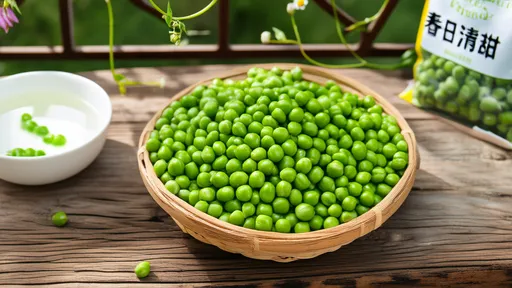
As the last cool breezes of spring begin to wane, gardens and markets alike burst forth with one of the season's most delicate treasures: fresh peas. Their brief but glorious window of availability leaves many yearning for a taste of that sweet, vegetal flavor long after the vines have been pulled. While canning and drying are time-honored methods, they often sacrifice the pea's vibrant color and fresh-picked essence. For those seeking to capture that just-shelled perfection, a simple two-step technique of blanching and freezing emerges as the undisputed champion, effectively pausing time to lock in the pea's signature—that clear, fresh sweetness—for a full year.
Food

Hand-shake Bubble Milk Tea: Rapid Cooling and Foaming by Impact

By /Aug 20, 2025

In the bustling night markets of Taiwan and the trendy urban cafes from Tokyo to Toronto, there exists a beverage that is as much a spectacle as it is a refreshment. The hand-shaken bubble tea, with its frothy crown and symphony of clinking ice, represents a fascinating intersection of culinary art, physics, and sensory experience. The seemingly simple act of vigorously shaking tea, milk, and ice in a cocktail shaker initiates a complex chain of physical reactions that are crucial to crafting the drink's signature character: its rapid chill and its luxurious, persistent foam.
Food

Comparison of Steaming and Roasting Methods for Quickly Removing Chestnut Inner Skin

By /Aug 20, 2025

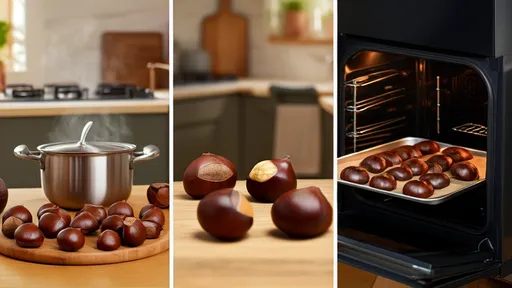
In the culinary world, chestnuts often present a formidable challenge to both home cooks and professional chefs. Their tough, stubborn inner skin clings tenaciously to the tender flesh, turning what should be a delightful seasonal ingredient into a frustrating kitchen ordeal. Traditional methods of peeling—boiling, roasting, or even the tedious knife-scoring technique—often yield inconsistent results, leaving cooks with broken nuts and frayed patience. However, a revolutionary approach has emerged from experimental kitchens: the rapid steaming and roasting method. This technique promises not only efficiency but also remarkable consistency in achieving perfectly peeled chestnuts, transforming an age-old struggle into a streamlined process worthy of any modern kitchen.
Food

Beijing Traditional Sour Plum Soup: Ingredient Combination and Cooking Sequence

By /Aug 20, 2025

There is a particular alchemy to traditional Beijing sour plum drink that transcends mere recipe execution, a whispered secret passed through generations that balances medicinal wisdom with culinary artistry. The making of this beloved summer elixir, known locally as Suanmeitang, begins not with a pot of boiling water but with the careful selection and harmonious pairing of ingredients that have been trusted for centuries to cool the body, soothe the throat, and quench a profound thirst. This is not a simple syrup but a crafted infusion, a liquid embodiment of balance between sweet, sour, and smoky notes, achieved through a deeply intentional and almost ritualistic process.
Food

Interpreting the Difference Between Shelf Life and Best Before Date on Food Labels

By /Aug 20, 2025

Walking down the grocery aisle, you pick up a carton of milk, a bag of chips, or a can of soup. Your eyes instinctively dart to a small printed date somewhere on the packaging. For most consumers, this date is the ultimate arbiter of an item's fate—it either goes in the cart or gets left on the shelf. If it's in the fridge at home and that date passes, it's often summarily dismissed into the trash. But what does that date actually mean? The common misconception is that it's a hardline indicator of safety, a point after which the food becomes dangerous. The reality, however, is far more nuanced and hinges on a critical, yet widely misunderstood, distinction: the difference between a "Best Before" date and a "Use By" date. Understanding this difference is not just a matter of semantics; it's a key to reducing food waste, saving money, and making informed decisions about what we consume.
Food

Eco-friendly Methods for Cleaning Kitchen Sink Grease with Peels and More

By /Aug 20, 2025

Amidst the clamor for eco-friendly living, the kitchen sink often becomes an overlooked battleground where grease and grime accumulate, challenging both our cleaning routines and environmental conscience. While commercial chemical cleaners promise swift results, their ecological footprint and potential health hazards have spurred a growing movement toward natural alternatives. One particularly ingenious and sustainable approach harnesses the power of something we often discard without a second thought: fruit peels. This method not only tackles stubborn sink grease effectively but also transforms waste into a valuable resource, embodying the principles of a circular economy right in our homes.
Food

Effective Methods for Removing Garlic and Fish Odors from Hands

By /Aug 20, 2025

There are few kitchen experiences more universally frustrating than preparing a flavorful meal, only to be left with stubborn, pungent odors clinging to your hands for hours, or even days, afterward. The potent, sulfurous scent of garlic or the briny, fishy smell of seafood can be incredibly tenacious, permeating the skin and seeming to resist even the most vigorous scrubbing with soap. This lingering aroma can be a social inconvenience, making you self-conscious in meetings or social gatherings, and it can even interfere with your ability to taste other foods. Fortunately, a vast repository of culinary wisdom, passed down through generations and validated by a touch of kitchen science, offers a multitude of effective solutions for this common problem. The key lies in understanding the nature of these odors and employing the right tools to neutralize or lift them from your skin.
Food

Comparison of Hong Kong Style and Home-Made Versions of Mango Pomelo Sago Dessert

By /Aug 20, 2025

In the vibrant landscape of Asian desserts, few treats capture the imagination and palate quite like mango pomelo sago, known affectionately as Yangzhi Ganlu. This creamy, refreshing concoction has journeyed from the bustling dai pai dongs of Hong Kong to home kitchens worldwide, morphing and adapting along the way. The dialogue between its traditional, restaurant-style preparation and the myriad homemade interpretations is a fascinating study in culinary evolution, resourcefulness, and personal taste.
Food

The Correlation between the Bouncing Activity of Live Shrimp and Their Freshness: Observation through Water Activity

By /Aug 20, 2025

In the bustling seafood markets of coastal towns, a curious ritual unfolds daily. Fishermen and buyers alike engage in a peculiar dance of observation, leaning over buckets and tanks with keen eyes fixed on the inhabitants within. The subject of their scrutiny? The humble shrimp, and more specifically, the vigor with which it moves when introduced to water. This seemingly simple act of watching a shrimp’s aquatic acrobatics is not mere spectacle; it is a time-honored, critical assessment of quality, a direct window into its freshness and viability. The connection between a shrimp’s liveliness upon immersion and its overall freshness is a piece of folk wisdom that has been passed down through generations of seafood handlers, from the deck of a trawler to the stainless steel counter of a five-star kitchen.
Food

Can You Drink Overnight Tea? A Scientific Interpretation

By /Aug 20, 2025

For many tea enthusiasts, the question of whether overnight tea is safe to drink often stirs debate. Some claim it's perfectly fine, while others warn of potential health risks. This article delves into the scientific aspects of consuming tea that has been left standing for several hours, providing clarity based on research and expert insights.
Food

Seasonal Loquat Sweetness Forecast: Completeness of Fruit Skin Fuzz is Key

By /Aug 20, 2025

As spring transitions into summer, markets across the Northern Hemisphere begin to brim with one of the season's most anticipated fruits: the loquat. Known for its vibrant orange hue and succulent flesh, this fruit has long been cherished not only for its unique flavor but also for its cultural and medicinal significance in many Asian countries. However, for consumers and growers alike, the ultimate quest is for the perfect loquat—one that strikes a harmonious balance between acidity and sweetness. While many factors influence this delicate equilibrium, from soil composition to sunlight exposure, a growing body of agricultural research and seasoned farmer wisdom points to a surprisingly simple, yet highly reliable, external indicator: the integrity of the fruit's fuzzy skin.