In the quiet corners of Chinese kitchens, a gentle alchemy unfolds as humble ingredients transform into soul-soothing desserts. The art of crafting traditional sweet soups, particularly those featuring snow fungus and red beans, represents a culinary tradition steeped in patience and precision. These desserts are not merely sweet treats but embodiments of texture mastery, where achieving the perfect gelatinous consistency from snow fungus or the ideal sandy texture from red beans separates ordinary preparations from extraordinary ones.
The journey begins with understanding the fundamental nature of these ingredients. Snow fungus, also known as tremella, appears as a delicate, white fungus that possesses remarkable hydrating properties. When properly prepared, it releases natural colloids that create a silky, gelatinous texture highly prized in both culinary and traditional medicinal applications. Similarly, red beans, small yet packed with starch, undergo a transformation that turns their firm structure into a soft, sandy consistency that melts pleasingly on the tongue.
Selecting quality ingredients forms the foundation of success. For snow fungus, choose specimens that are pale yellow or white with a symmetrical shape and avoid those with dark spots or unpleasant odors. The best varieties feel slightly elastic when pressed and appear almost translucent. For red beans, seek out beans that are uniform in size, deep red in color, and free from cracks or insect damage. Older beans tend to require longer cooking times and may never achieve the desired texture, making freshness equally important for both ingredients.
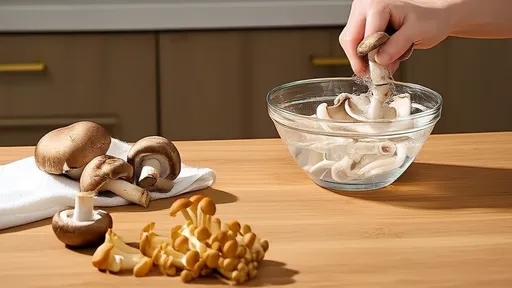
Preparation techniques differ significantly between these two components. Snow fungus requires careful cleaning and soaking—typically in cool water for two to three hours—until it expands to three or four times its original size. The yellow stem base must be completely removed as it remains tough even after cooking and can impart bitterness. Tearing the softened fungus into smaller, uniform pieces creates more surface area for colloids to release during cooking.
Red beans demand a different approach. Many experienced cooks swear by pre-soaking the beans overnight, which significantly reduces cooking time and helps achieve more consistent results. However, some traditional methods skip soaking altogether, relying instead on prolonged gentle simmering to break down the beans gradually. A little secret among professional chefs involves adding a pinch of baking soda during soaking—this alkaline environment helps break down the bean skins more effectively, leading to better texture release.
The cooking process itself becomes a meditation in patience. For snow fungus, begin with cold water and bring it slowly to a gentle simmer rather than a rolling boil. Vigorous boiling can damage the delicate structure and prevent proper collagen release. Maintaining a temperature where small bubbles occasionally break the surface allows the natural gums and colloids to seep into the cooking liquid gradually. This process cannot be rushed—typically requiring two to three hours of uninterrupted simmering.
Red beans present their own challenges. The traditional method involves bringing the beans to a boil briefly, then draining this initial water to remove any bitterness and compounds that might cause digestive discomfort. The second cooking uses fresh water kept at a steady simmer until the beans become tender enough to crush easily between fingers. At this stage, some cooks prefer to mash a portion of the beans against the pot's side to encourage starch release, while others allow natural breakdown through extended cooking.
Water ratio plays a critical role in both preparations. Too much water dilutes the released colloids from snow fungus, resulting in a thin, unsatisfying soup. Too little risks burning and prevents proper hydration. The ideal proportion typically ranges from eight to ten parts water to one part prepared snow fungus. For red beans, the ratio varies based on desired consistency—usually starting with four parts water to one part beans, then adding more as needed during cooking.
Timing represents another crucial element. Snow fungus demonstrates its readiness through visual and textural changes: the pieces become nearly transparent and the liquid develops a slightly viscous quality that coats the spoon. Red beans signal their perfection when they maintain structural integrity yet disintegrate with minimal pressure, creating a thick, porridge-like consistency with particles that feel smooth rather than gritty on the palate.
Sweetening represents the final touch, added only after achieving the desired textures. Introducing sugar too early can toughen the snow fungus and prevent proper collagen release. For red beans, early sugar addition interferes with starch breakdown and may cause the beans to remain frustratingly hard despite hours of cooking. Rock sugar remains the traditional choice for its clean sweetness that doesn't overpower delicate flavors, though brown sugar or honey can provide interesting variations.
Beyond technical execution, cultural context enriches these culinary practices. These sweet soups often appear during family gatherings and special occasions, representing comfort and nourishment. The slow process of achieving perfect texture mirrors values of patience and dedication, while the shared enjoyment of the final product strengthens community bonds. Many believe these desserts offer health benefits—from improving skin hydration due to snow fungus's collagen-like compounds to aiding digestion through the fiber-rich red beans.
Modern innovations have introduced time-saving methods without sacrificing quality. Pressure cookers can reduce snow fungus cooking time to about forty minutes while still achieving satisfactory gelatinization. For red beans, freezing soaked beans before cooking helps break down cell walls more effectively, resulting in creamier textures in less time. However, purists maintain that the traditional slow simmering develops deeper flavors and superior textures that modern shortcuts cannot replicate.
Common pitfalls often disappoint home cooks. Using insufficiently soaked snow fungus leads to tough results that never achieve the desired gelatinous quality. Overcrowding the pot prevents even cooking, while excessive stirring damages the delicate structure of both snow fungus and breaking-down red beans. Temperature fluctuations—particularly allowing the mixture to boil vigorously—represents the most frequent error, as high heat causes proteins to tighten rather than release into the cooking liquid.
The true test of mastery comes not just in technical execution but in understanding the subtle variations between different batches of ingredients. The same variety of snow fungus harvested in different seasons may require adjusted soaking times. Red beans from various regions possess slightly different starch contents that demand modified cooking approaches. Experienced cooks develop an intuitive sense for these variations, adjusting their methods through observation rather than rigid timing.
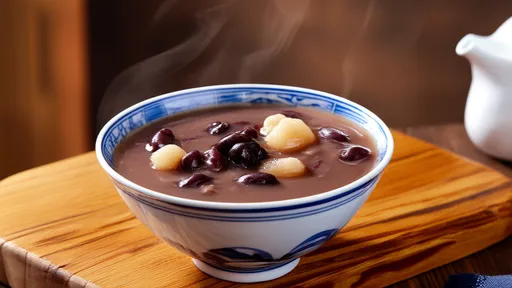
Presentation completes the experience. Traditional serving methods keep the snow fungus pieces whole in their glistening broth, often garnished with goji berries for color contrast and additional health benefits. Red bean soup may be served smooth or with some whole beans remaining for textural interest, sometimes accompanied by tiny glutinous rice balls or a splash of coconut milk. The visual appeal—the translucent shimmer of snow fungus soup or the deep ruby hue of red bean preparation—enhances the overall enjoyment.
These textural transformations represent more than culinary techniques—they embody a philosophy where simple ingredients through careful handling become greater than the sum of their parts. The achievement of perfect silver ear gelatinization or ideal red bean sandiness provides deep satisfaction that transcends the dessert itself, connecting the cook to generations of tradition and the quiet wisdom of slow food preparation in a fast-paced world.
By /Aug 20, 2025
By /Aug 20, 2025
By /Aug 20, 2025
By /Aug 20, 2025

By /Aug 20, 2025
By /Aug 20, 2025
By /Aug 20, 2025
By /Aug 20, 2025
By /Aug 20, 2025
By /Aug 20, 2025

By /Aug 20, 2025

By /Aug 20, 2025

By /Aug 20, 2025

By /Aug 20, 2025
By /Aug 20, 2025
By /Aug 20, 2025

By /Aug 20, 2025

By /Aug 20, 2025

By /Aug 20, 2025

By /Aug 20, 2025
