Machu Picchu is a destination that lives in the collective imagination long before one sets foot on its ancient stones. It is more than a UNESCO World Heritage site; it is a pilgrimage for the soul, a journey that begins not in Cusco or the Sacred Valley, but within the quiet chambers of one's own yearning for meaning. To travel to Machu Picchu is to answer a call—a call to witness not just the architectural genius of the Inca, but the profound dialogue between earth and sky, past and present, and ultimately, between the self you bring and the self you discover along the way.
The physical journey itself is a prelude to the inner transformation. Many choose the Inca Trail, a multi-day trek that is as much a test of endurance as it is a walking meditation. The path winds through cloud forests and over mountain passes, each step taking you further from the familiar noise of modern life. The air thins, the body protests, and the mind, stripped of its usual distractions, begins to turn inward. You are not just hiking toward a destination; you are walking through layers of your own resilience and limitations. The camaraderie forged with fellow travelers and the quiet guidance of the Quechua porters, whose ancestors trod these same paths, add a deeply human dimension to the ascent. They move with a grace and strength that seems to emanate from the mountains themselves, a living reminder of a culture that understood its place within the natural world.
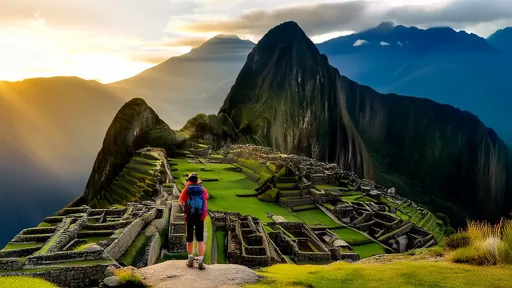
Then, there is the moment of arrival. It often comes at dawn, after a final, breathless climb. You pass through the Sun Gate, or Inti Punku, and the citadel unfolds below, shrouded in mist. The first sight is rarely a dramatic, sun-drenched panorama from a postcard. It is something more mystical and personal. The ruins emerge slowly from the fading darkness, stone upon stone, a ghostly city materializing from the clouds. In that hushed, anticipatory silence, before the crowds arrive, you are alone with history. The sheer scale of human achievement is humbling. How did they build this here, on this razorback ridge between two towering peaks? But the question quickly gives way to a deeper feeling—a sense of awe that transcends intellectual curiosity.
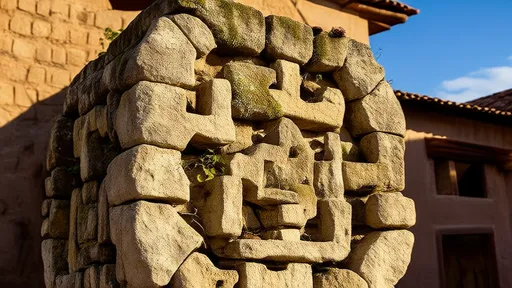
Wandering through the ruins, you are walking in the footsteps of astronomers, priests, and farmers. The precision of the stonework is astounding; blocks are cut so perfectly that not even a knife blade can slip between them, built to withstand the earthquakes that occasionally ripple through the Andes. You see the Temple of the Sun, the Room of the Three Windows, the Intihuatana stone—the "Hitching Post of the Sun." This carved rock pillar was an sophisticated astronomical clock and calendar, used to track the solstices. To stand beside it is to feel a connection to a people who looked to the heavens not for escape, but for guidance, who saw the cosmos as an integral part of their daily existence. The entire city is a monument to this harmony. The terraces carved into the mountainside were not just agricultural feats; they were a form of reverence, a way of cultivating the land without violating it.
This is where the dialogue with the self truly deepens. In the quiet corners away from the main thoroughfares, you find a space for reflection. The grandeur of the surroundings holds up a mirror to your own life. The patient, enduring stones ask silent questions about your own transience. The mountains, known as Apus or spirit deities in the Andean worldview, seem to watch, ancient and knowing. In their presence, the anxieties and preoccupations that felt so large back home begin to shrink to their proper size. You are confronted with the fundamental questions: What is truly important? What legacy do I wish to build? What does it mean to live in balance? Machu Picchu does not provide the answers, but it creates the perfect, silent cathedral in which to ask them.
The journey down from the citadel is often a quiet one. The descent is as symbolic as the ascent. You carry the silence of the ruins with you, a newfound perspective nestled in your mind. The vibrant energy of Aguas Calientes, the town below, feels both welcoming and strangely distant, a reminder that you are crossing back into a different world. Yet, something has shifted. The clarity felt atop the mountain may fade, but its impression remains, like the outline of the ruins against the sky long after you have looked away.
Ultimately, a trip to Machu Picchu is a powerful reminder that the greatest ruins we explore are not always made of stone. They are the forgotten parts of ourselves, the buried questions, the silent longings for connection and purpose. The lost city, in its majestic isolation, becomes a catalyst for this excavation. It is a journey that challenges the body, expands the mind, and nourishes the spirit. You return home not just with photographs, but with a piece of that high-altitude silence and a renewed understanding that the most significant voyages are the ones that lead you back to yourself, having conversed with the stones and the sky.
By /Sep 28, 2025
By /Sep 29, 2025
By /Sep 29, 2025
By /Sep 29, 2025

By /Sep 28, 2025
By /Sep 29, 2025
By /Sep 29, 2025

By /Sep 28, 2025
By /Sep 28, 2025
By /Sep 29, 2025
By /Sep 29, 2025
By /Sep 28, 2025
By /Sep 28, 2025
By /Sep 29, 2025
By /Sep 29, 2025
By /Sep 28, 2025
By /Sep 29, 2025
By /Sep 28, 2025
By /Sep 28, 2025

By /Sep 28, 2025
