Stepping into Mexico City's Mercado de San Juan feels like crossing a threshold into the city's pulsating culinary heart. This is not a sanitized tourist trap; it's a sprawling, chaotic, and intoxicating labyrinth where the air hangs thick with the scent of ripe fruit, sizzling meat, and the faint, metallic tang of fresh blood from the butcher stalls. For any serious food lover, a pilgrimage here is non-negotiable. It’s a place where the city's gourmet ambitions and its deep-rooted street food traditions collide in the most spectacular fashion.
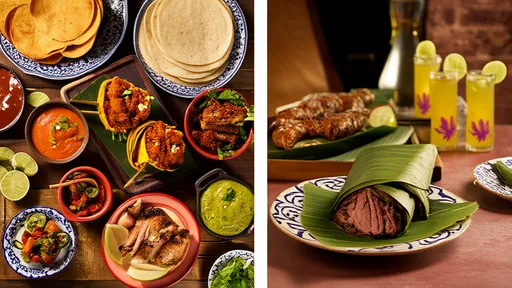
Our journey begins not at a humble stall, but at a market institution that has become a beacon for gastronomes: Coox Hanal. Tucked away in the maze, its name translating from Mayan as "eat well," this restaurant is a portal to the Yucatán Peninsula. The moment you enter, the bustling noise of the market softens, replaced by the warm, earthy aromas of achiote and slow-roasted pork. Coox Hanal is legendary for its cochinita pibil – suckling pig marinated in a vibrant paste of achiote seeds, bitter orange juice, and spices, then wrapped in banana leaves and slow-cooked for hours until it achieves a state of profound tenderness. The meat, pulled apart with a fork, is a symphony of tangy, smoky, and subtly spicy flavors, traditionally served on soft corn tortillas with pickled red onions that provide a sharp, cleansing counterpoint. Dining here is a lesson in the complexity of regional Mexican cuisine, a world away from the generic tacos found elsewhere.
But the market's sophistication doesn't end there. A short walk from Coox Hanal reveals stalls that would feel at home in a high-end specialty shop in Paris or Tokyo. Here, you can find exotic cheeses, artisanal breads, and charcuterie that includes ibérico ham from Spain. The real draw for adventurous chefs and food enthusiasts, however, are the ingredientes exóticos – the exotic ingredients. Stalls proudly display items that challenge the uninitiated: plump, creamy escamoles (ant larvae), often called "Mexican caviar," which have a buttery, nutty flavor when sautéed with butter and epazote; fat, orange gusanos de maguey (agave worms), perfect for frying and sprinkling with salt and lime; and even cuts of meat like crocodile, wild boar, and venison. This section of the market is a testament to Mexico City's status as a global culinary capital, unafraid to embrace both its indigenous pantry and international luxuries.
Leaving the gourmet enclave, the sensory overload intensifies as you delve deeper into the market's core. This is the domain of the verdulerías, the fruit and vegetable vendors, whose stalls are explosions of color. Mounds of fiery red chilies—habaneros, serranos, poblanos—sit beside pyramids of green limes and baskets of dark, wrinkled chilhuacles. The fruit stands are even more dazzling, offering familiar faces like mangoes and pineapples alongside strange and wonderful specimens: the spiky, electric pink of pitaya (dragon fruit), the scaly, green exterior of guanábana (soursop) hiding a creamy, tart flesh, and the sweet, granular texture of tuna, the fruit of the prickly pear cactus. The vendors, masters of their craft, are often happy to offer a sample, a sweet and juicy preview of the country's incredible biodiversity.
No exploration of Mercado de San Juan is complete without surrendering to the call of the puestos de antojitos, the stalls dedicated to street food. This is where theory becomes practice, where the ingredients you've been admiring are transformed into immediate, soul-satisfying sustenance. The sounds are a percussive symphony: the rhythmic slap of masa being shaped into tortillas, the fierce sizzle of meat hitting a hot comal, and the clatter of plates. The smells are an irresistible lure – the corn aroma of fresh tortillas, the rich scent of frying beans, and the smoky perfume of grilled onions and peppers.
You might join the queue at a stall famous for its tacos de carnitas, where huge copper pots simmer with every part of the pig, from the rich maciza (lean meat) to the crispy buche (stomach) and the decadently soft surtida (a mix of cuts). The vendor deftly chops your selection with a heavy cleaver, piles it onto a double tortilla, and finishes it with a sprinkle of onion, cilantro, and a fiery salsa verde. Each bite is a perfect balance of rich, savory, and spicy. Another essential stop is for tlacoyos, oval-shaped masa cakes stuffed with beans, cheese, or fava beans, griddled until slightly charred, and then topped with nopal cactus, onion, and crumbled cheese. The texture is divine – a crisp exterior giving way to a soft, warm interior.
For a truly classic Mexico City experience, find a stall serving quesadillas con flor de calabaza (squash blossoms). Here, the term "quesadilla" is taken literally, meaning "little cheesy thing." The vendor takes a ball of blue or yellow masa, presses it flat, fills it with a mixture of melting cheese and delicate squash blossoms, folds it over, and cooks it on the comal until the cheese is gooey and the masa is speckled with brown spots. Served with both a red and green salsa, it’s a simple, elegant, and profoundly delicious masterpiece of market cooking.
As you navigate the narrow aisles, your hands might now be slightly greasy, your palate alive with the memory of chilies and lime, and your senses saturated. The journey from the refined, regional depths of Coox Hanal to the vibrant, chaotic energy of the street food stalls is more than just a meal; it's a narrative of Mexico itself. It’s a story of ancient traditions preserved, of regional diversity celebrated, and of a culinary culture that is unapologetically bold, inventive, and alive. The Mercado de San Juan doesn't just sell food; it offers a deep, immersive taste of the Mexican soul, a experience that lingers long after you've stepped back out onto the city streets.
By /Sep 28, 2025

By /Sep 29, 2025

By /Sep 29, 2025

By /Sep 29, 2025

By /Sep 28, 2025

By /Sep 29, 2025

By /Sep 29, 2025

By /Sep 28, 2025

By /Sep 28, 2025

By /Sep 29, 2025
By /Sep 29, 2025

By /Sep 28, 2025
By /Sep 28, 2025

By /Sep 29, 2025

By /Sep 29, 2025

By /Sep 28, 2025
By /Sep 29, 2025

By /Sep 28, 2025

By /Sep 28, 2025
By /Sep 28, 2025
